Historical walks / Nineteenth-century Zagreb · Donji grad
Agram
Follow the nineteenth-century city's expansion into Donji grad (Lower Town): rail connections, civic institutions, public squares and new ideas about what a capital could be.
Listen to the story · Historical preview
0:00 / --:--
1h 30mBan Jelačić Square, by the Manduševac fountainStep-free route
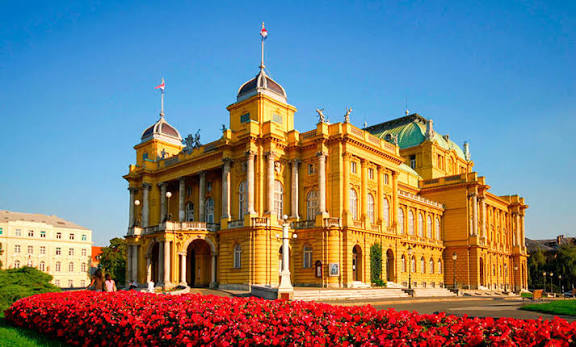
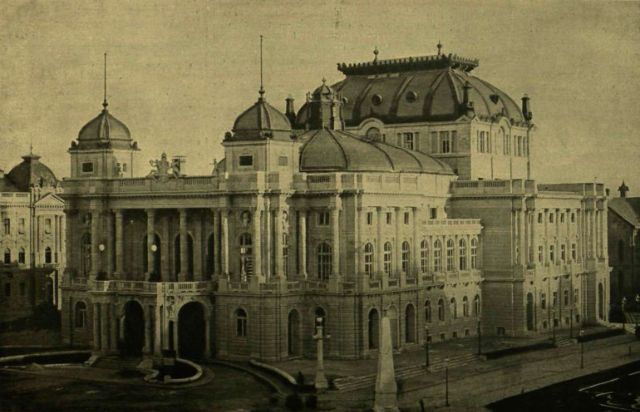
Croatian National Theatre
The walk
A closer look
01
The railway city
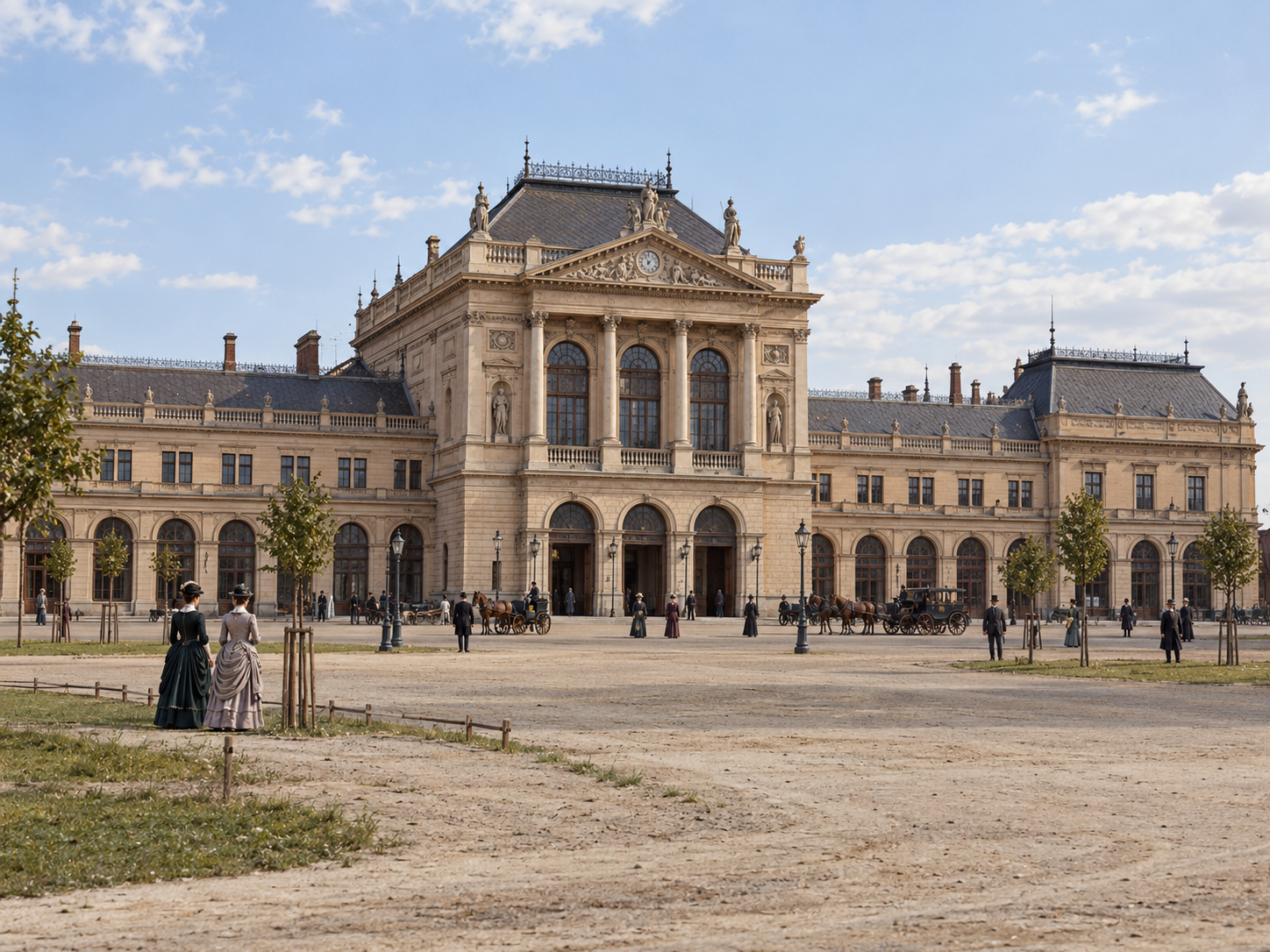
The first railway reached Zagreb in 1862. Growth spread south towards the station as the city moved beyond its older hilltop centres.
Glavni kolodvor, the main railway station, in the 1880s
02
New civic life
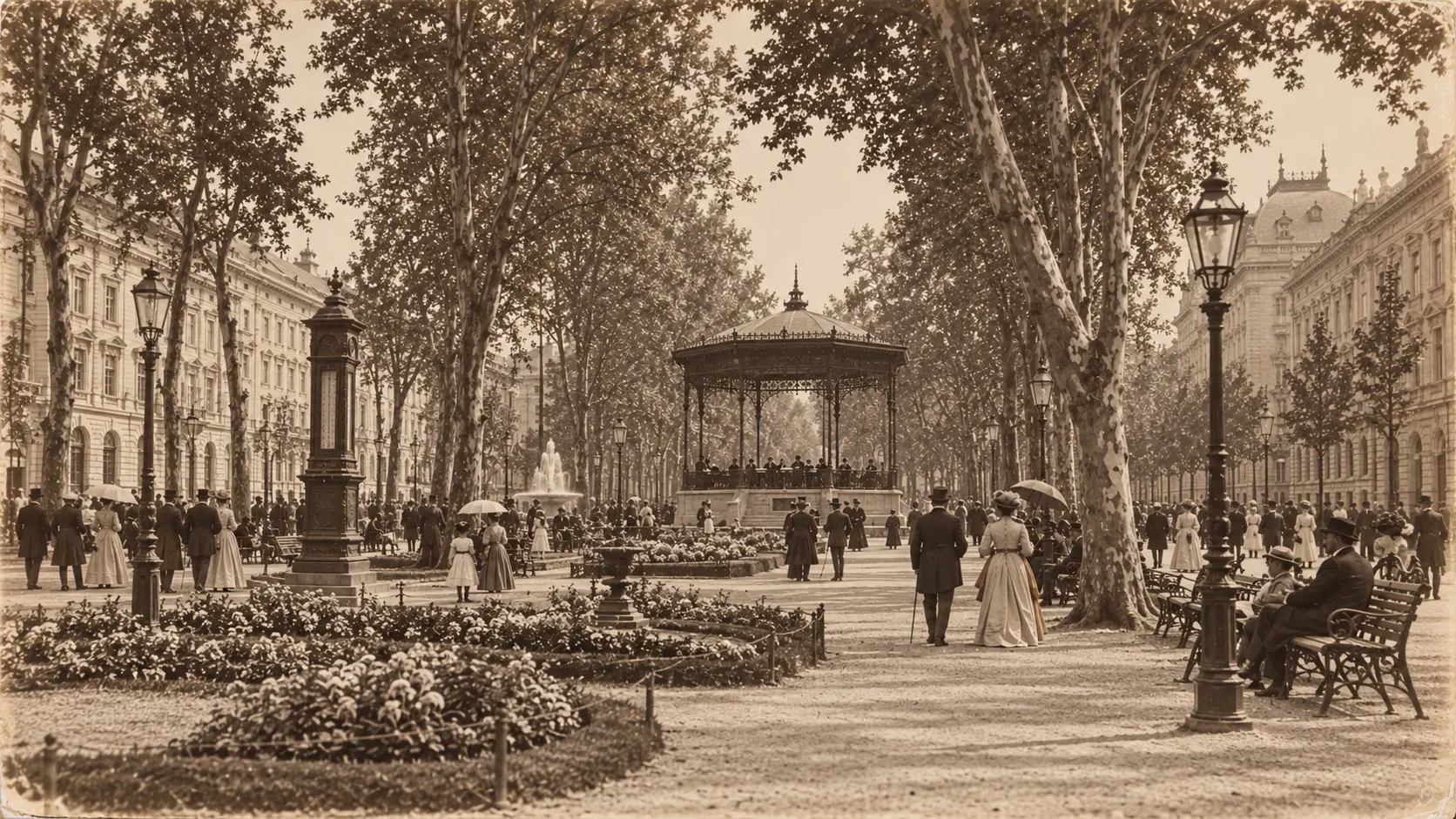
Donji grad's squares and institutions took shape through the second half of the nineteenth century, including the parks now known as the Green Horseshoe.
Zrinjevac and its music pavilion
03
After 1880
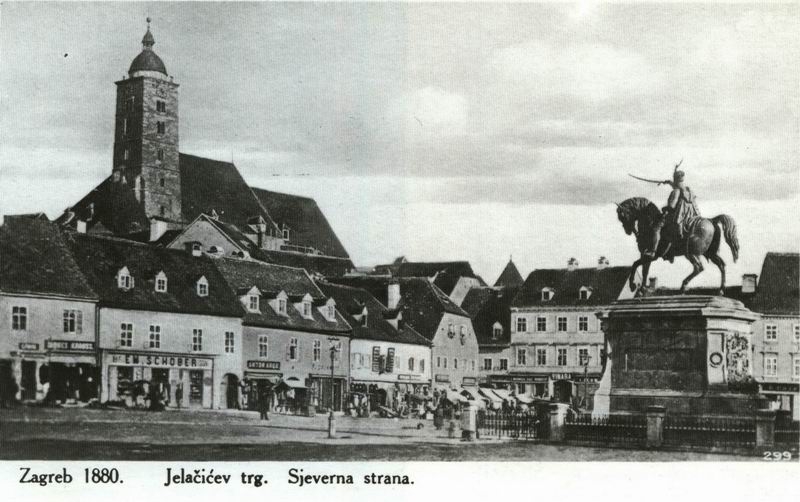
The 1880 earthquake damaged much of the old city and accelerated a period of rebuilding and urban change.
Jelačićev trg, north side, 1880
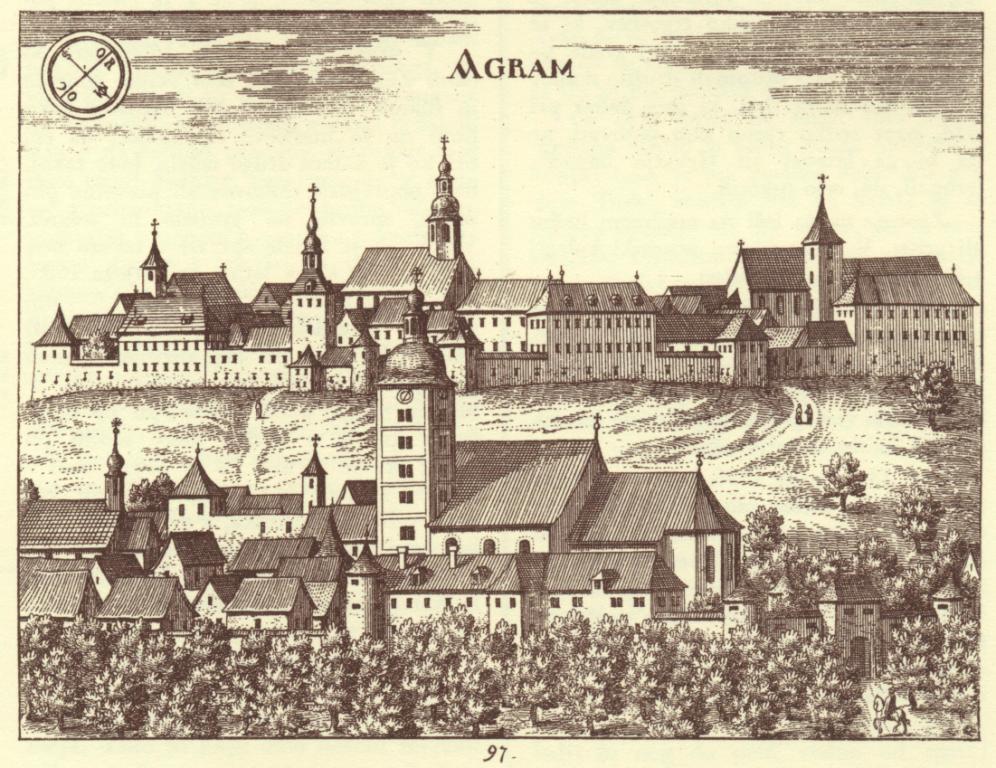
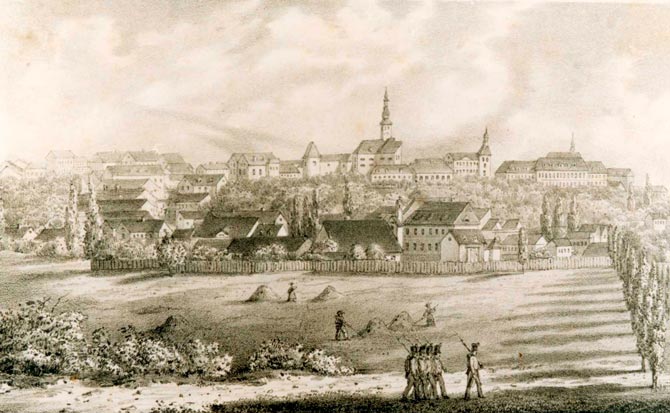
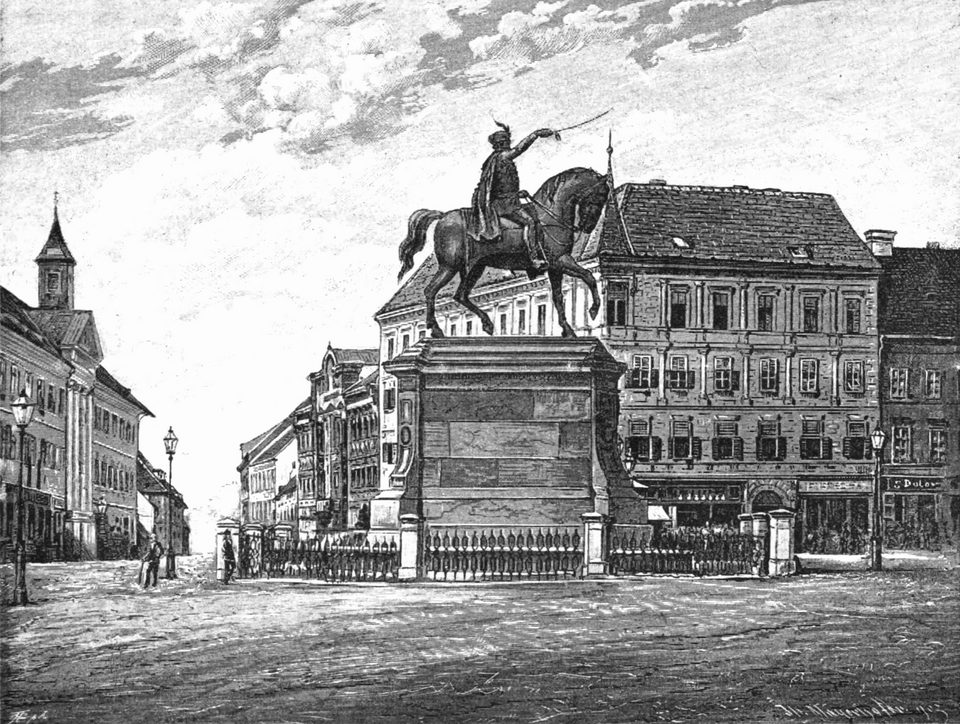
Agram in 1689, from Valvasor's engravingAgram in 1845Ban Jelačić Square in 1884