Historical walks / Twentieth-century Zagreb · 1941–1991
Zagreb 1941–1991
A walk through a difficult and transformative half-century: wartime persecution, postwar socialist development and the city's changing everyday life. The history is treated directly, not as nostalgia.
Listen to the story · Historical preview
0:00 / --:--
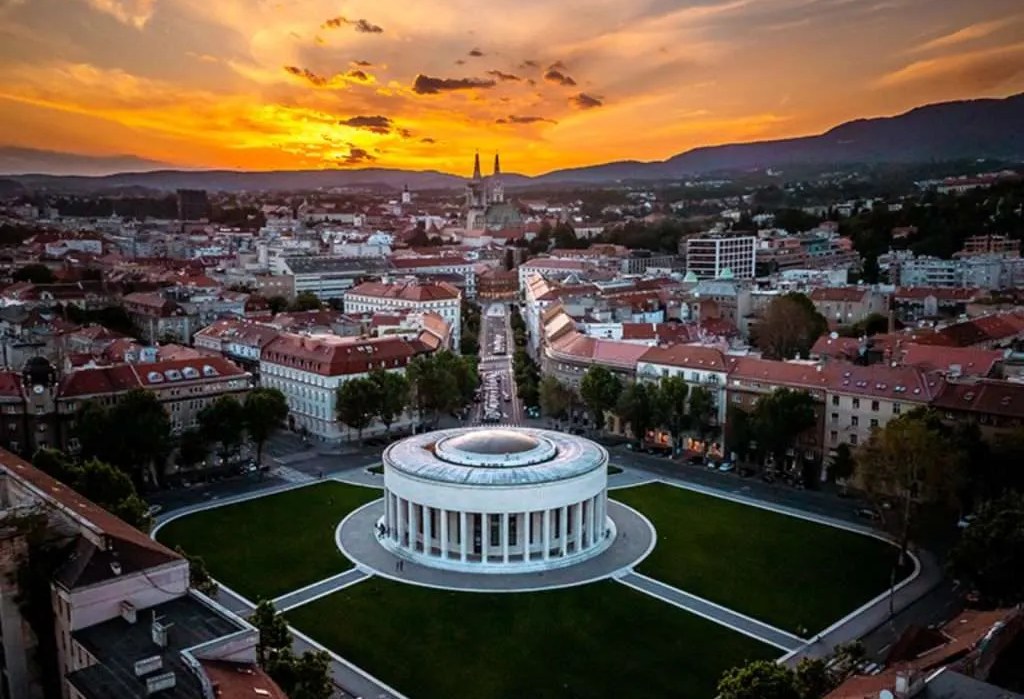
2hTrg žrtava fašizma, by the Meštrović PavilionStep-free route
Meštrović Pavilion, Trg žrtava fašizma
The walk
A closer look
01
Wartime Zagreb
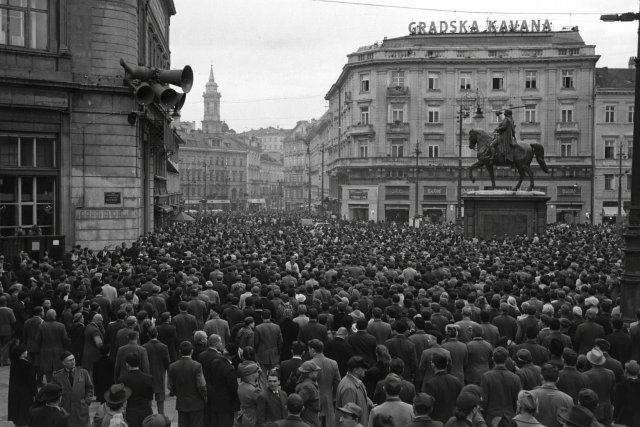
From 1941 to 1945, Zagreb was the capital of the Axis puppet Independent State of Croatia. Jews, Serbs and Roma faced persecution and deportation.
A proclamation on Ban Jelačić Square
02
A city across the Sava
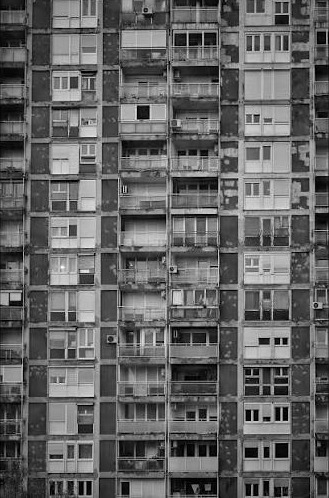
After the war, socialist-era expansion transformed Zagreb, including the development of Novi Zagreb south of the Sava.
New housing in the 1960s
03
Towards 1991
The final decades of Yugoslavia gave way to political change and Croatian independence in 1991. The city's streets preserve traces of these shifts.
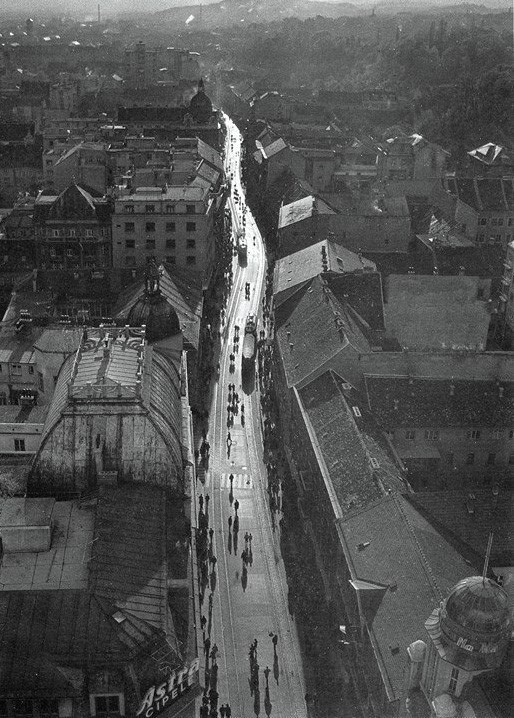
Ilica from the air
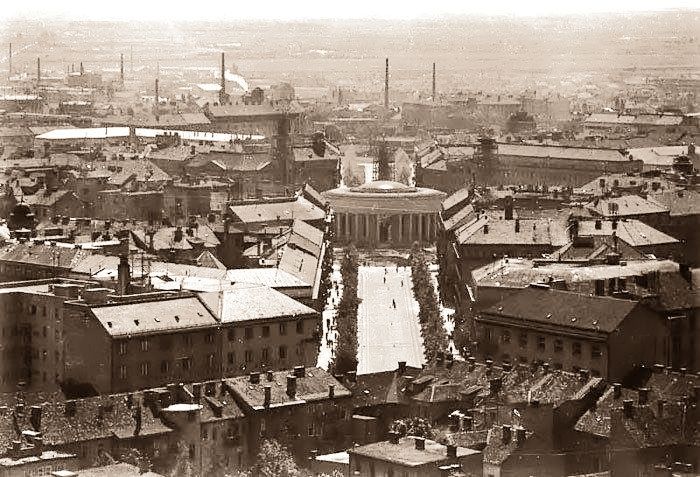
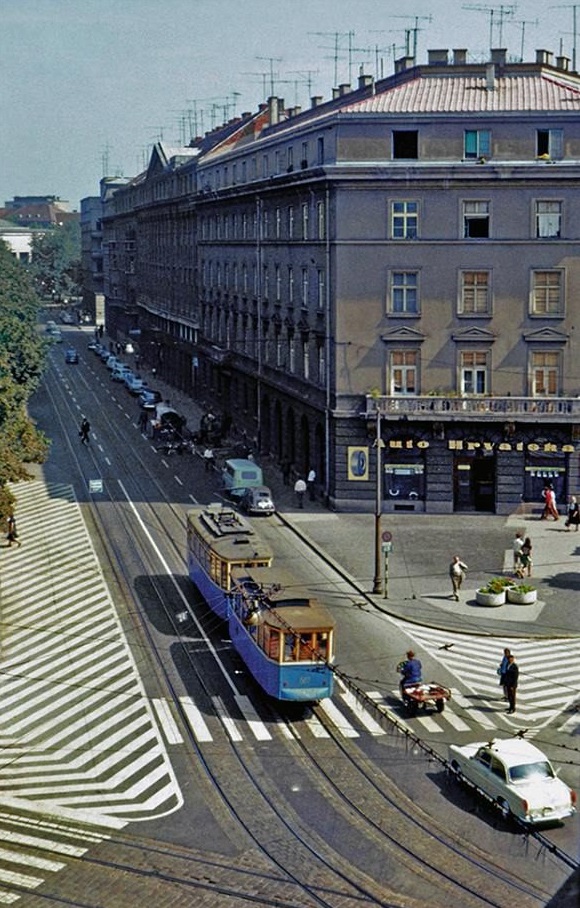
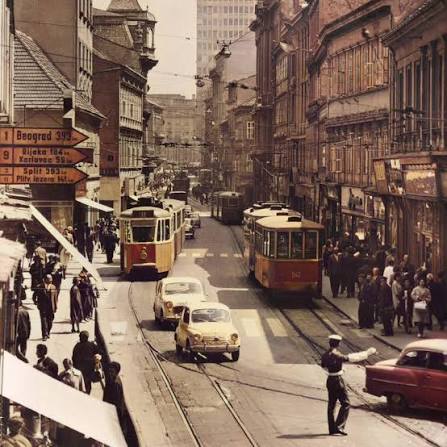
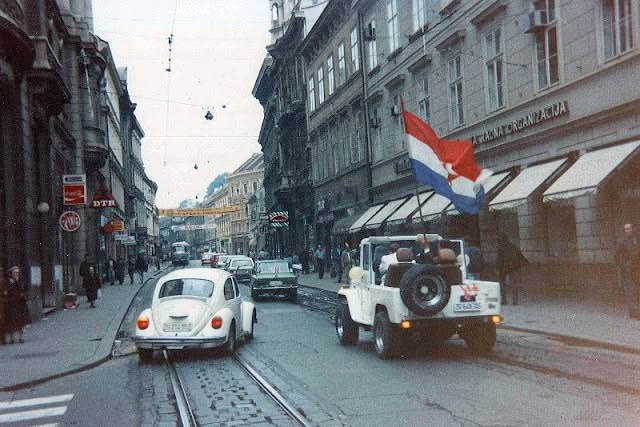
Zagreb in the 1960sCity centre in the 1970sZagreb in the 1980s